On the 20th anniversary of Zotero’s 1.0 release on October 5, 2006, I wrote a history of the collaboration and years it took to create the popular research tool now used by over 20 million people: “The Slow Formation of Durable Software“
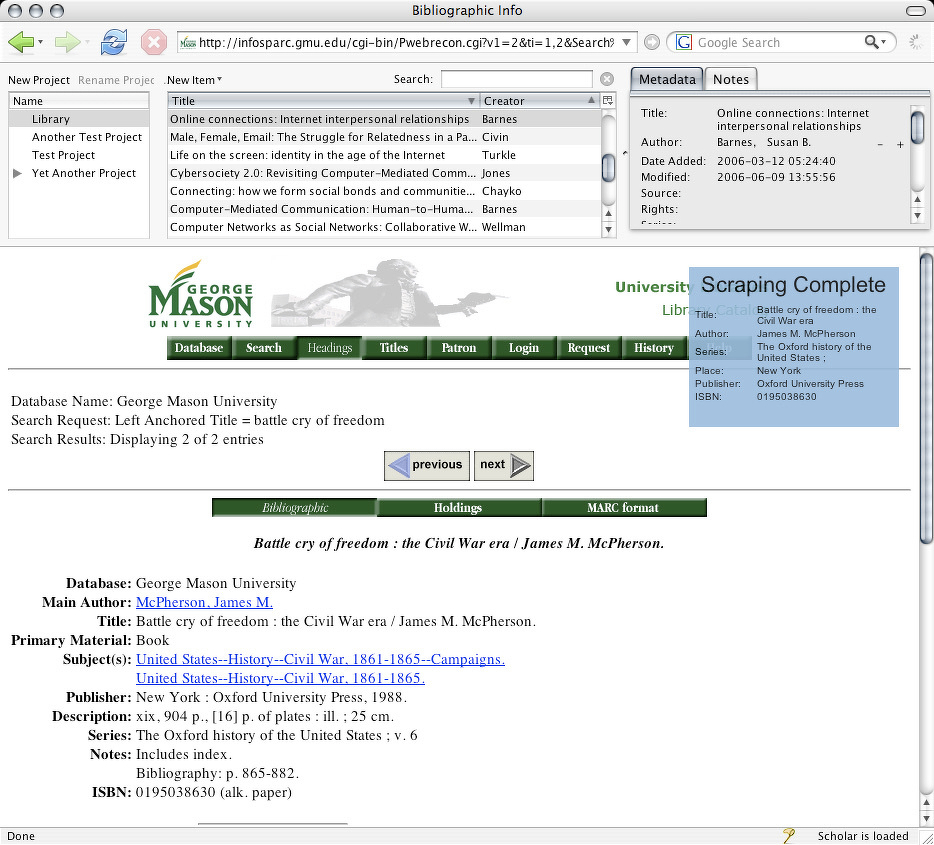
On the 20th anniversary of Zotero’s 1.0 release on October 5, 2006, I wrote a history of the collaboration and years it took to create the popular research tool now used by over 20 million people: “The Slow Formation of Durable Software“
New issue of my newsletter: “Reader Responses, Summer 2026” — Good thoughts, writing, and projects from the readers of Humane Ingenuity, including feedback on reducing the environmental impact of AI, saving the scientific record, and using AI to supplement, rather than replace, human thought
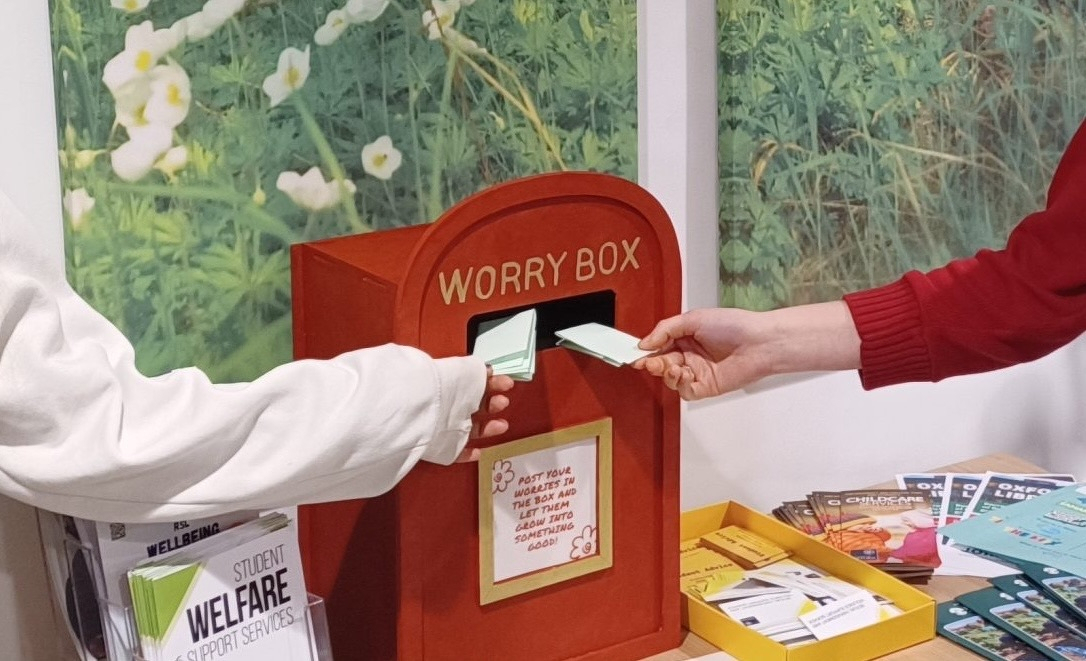
New issue of my newsletter: “Scholarship Will Soon Be Much Harder to Save” — It’s not easy to be confident in a body of knowledge that has phantom limbs
“A Major New Grant for a Library-Led Approach to AI and Books“—A 5-year, $5 million grant to HathiTrust, w/ Northeastern University Library & Authors Alliance as partners, will create responsible, equitable, & transparent services that leverage AI for the public good and scholarly discovery

New issue of my newsletter: “How Can We Minimize the Environmental Impact of Our AI Use?” — It’s not easy being green when there’s little research on the energy consumption of specific AI tasks
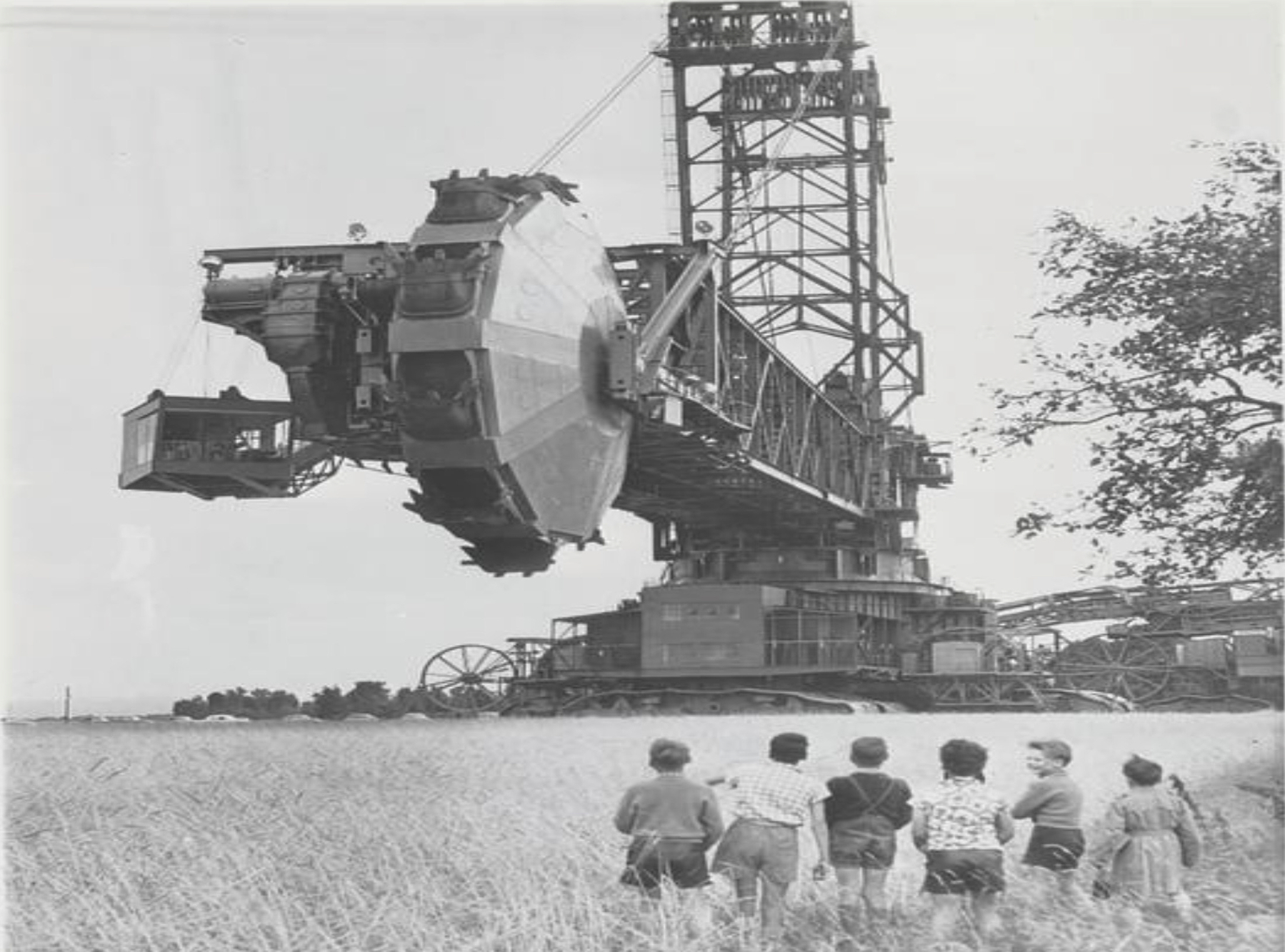
New issue of my newsletter Humane Ingenuity: “The Breath of the Author” — The palpable presence of someone else’s mind in our best writing should give us pause about the encroachment of AI text

A new essay: “Perils of the New Armchair Scholarship” — Like nineteenth-century scholars who wrote about the world without deeply engaging with it, academics who lean too heavily on AI risk becoming paper-thin

New issue of my newsletter: “The Kids Are All Right” — Advice I will not give, and books I have not written

New issue of my newsletter: “A Framework for Books and AI in the Public Interest” — How libraries could create a thoughtful and ethical interface between their shelves and artificial intelligence

New issue of my newsletter: “The Role of a New Machine” — An old book puts today’s new technology in perspective

New issue of my newsletter: “Vibe Analysis” — Despite its unserious name, vibe coding shows promise for elements of serious scholarly work

New essay: “A Museum’s Sublime Hallucinations” — Sometimes you need the fake to show you what’s real (a love letter to the Museum of Jurassic Technology)

The second piece in my series on finding the right line between human thought and AI assistance: “Can AI Prompt Us to Ask New Questions?”
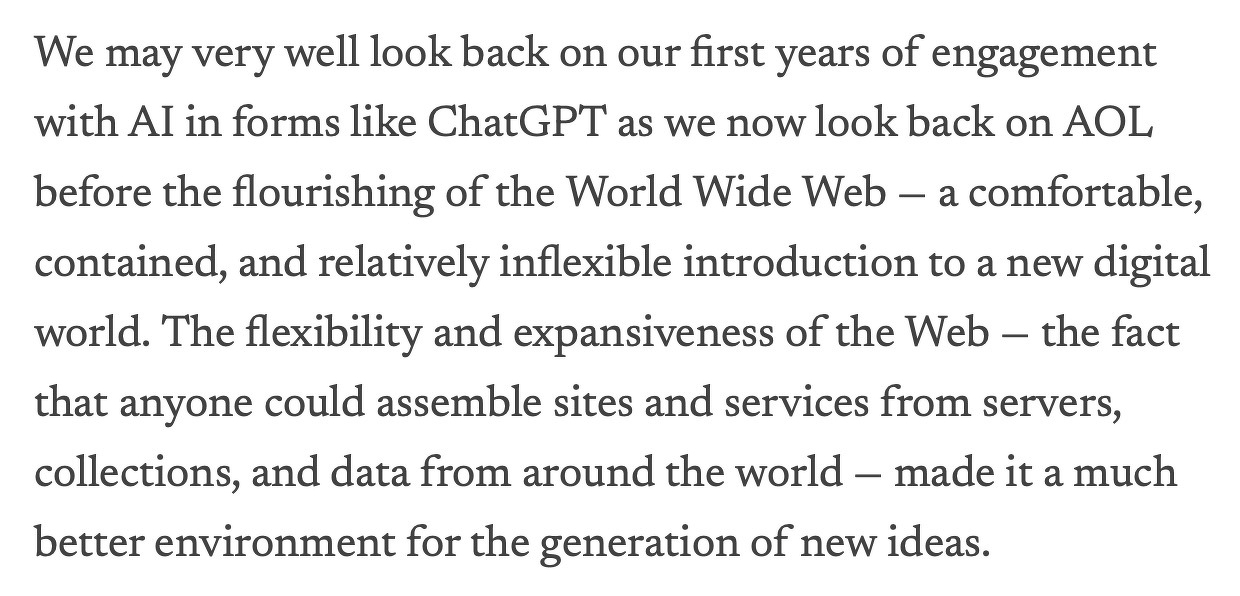
New essay: “Can AI Prompt Us to Ask New Questions?” — Not with chatbots as we know them, but perhaps with what comes next
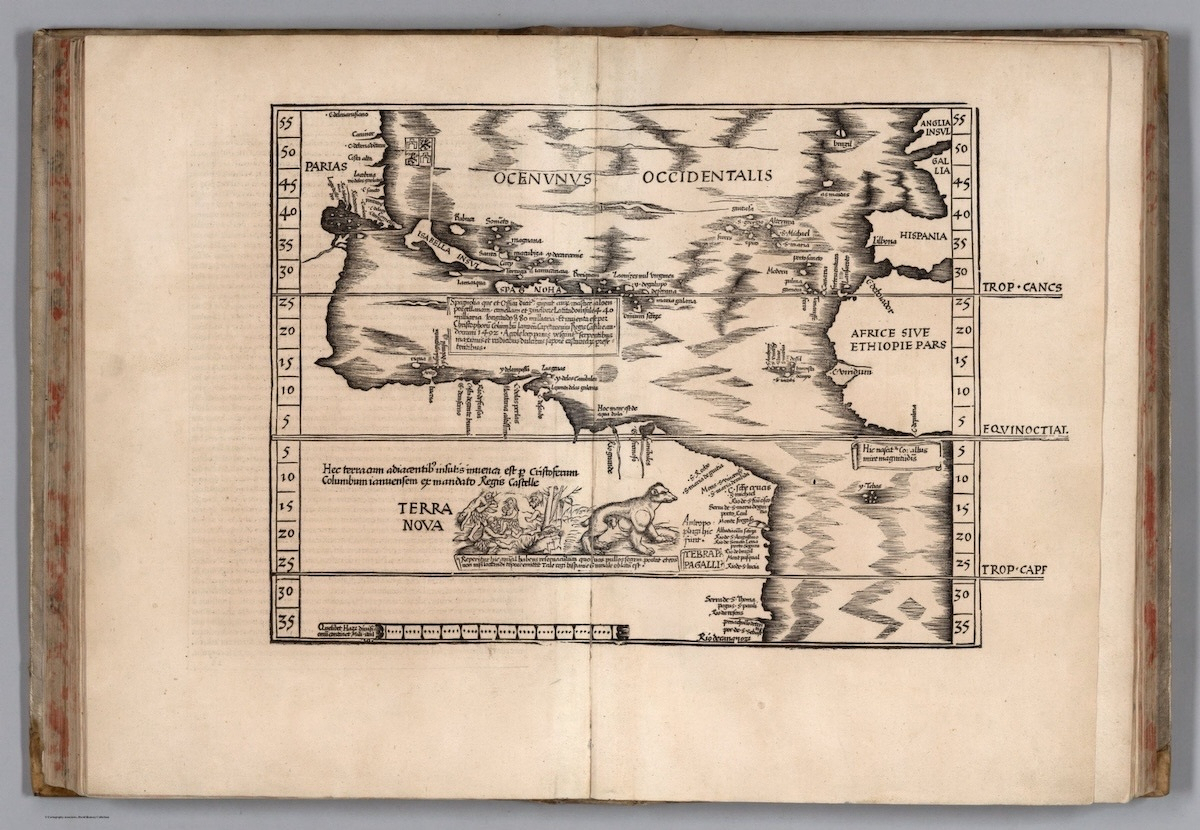
And an occasional reminder that you can subscribe to my newsletter at newsletter.dancohen.org
New issue of my newsletter: “Where Should Scholars Draw the Line on AI?” — Between the poles of Zero AI and AI For Everything lies a vast, poorly mapped middle ground
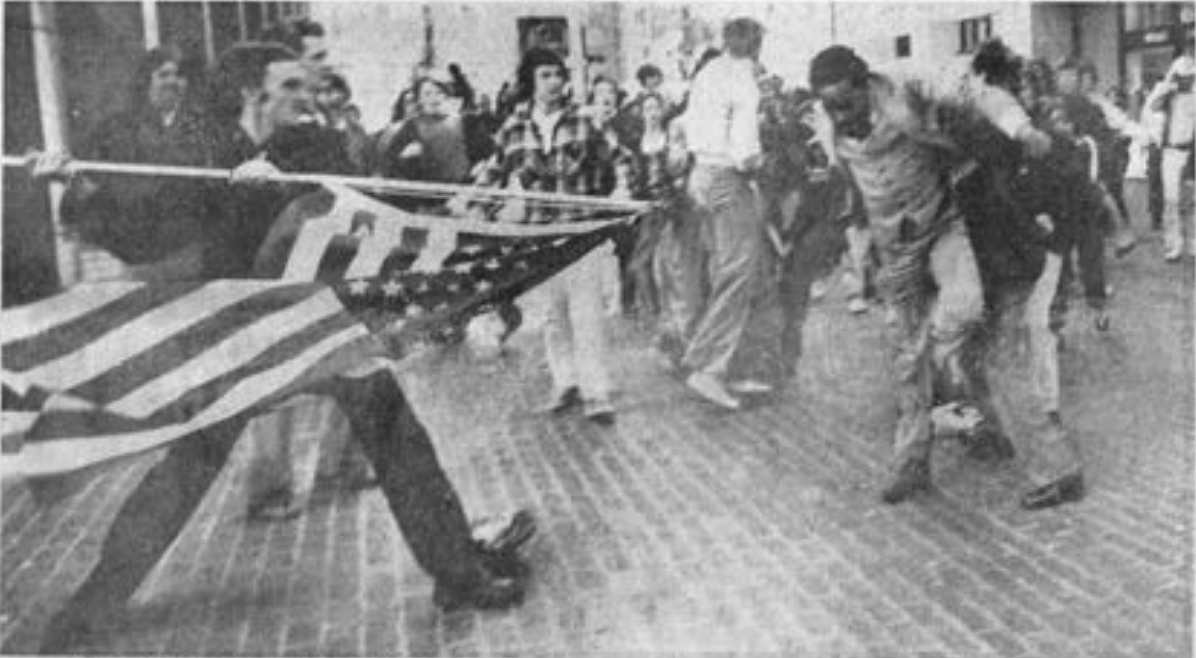
A special issue of my newsletter for Martin Luther King Jr. Day: “A Hero’s Iconography” — A shocking photograph featured a brave man — and visual echoes of the art he loved
New issue of my newsletter: “Far From Reassuring” — AI companies need to focus on limits, not limitless possibilities, to get the public on board